
Study MBBS in Russia 2026-27
An honest, Russia-specialist guide to fees, eligibility, the top government universities, safety, and what it actually takes to become a doctor.
Studying MBBS in Russia can be one of the best decisions a student makes — but only if they choose the right university for their own needs, and go in with their eyes open. This guide is written to help you make that decision honestly, not just to sell you an admission. It is put together by Dr. Vivek Lathwal, who studied MBBS in Russia, graduated from Altai State Medical University, cleared the FMGE himself, and has spent nearly a decade guiding Indian families through medical admissions in Russia. EduParity is a Russia specialist — not a generic “MBBS abroad” agency — and the advice below reflects what we actually tell students sitting across from us.
Our honest position in one line: most consultants get you a seat and finish at the visa. We stay with you through the first year, the semester exams, and your FMGE preparation. Admission is only step one of becoming a doctor.
MBBS in Russia at a glance
Here are the core facts for the 2026–27 intake before we get into the detail.
| Detail | What to know |
|---|---|
| Degree | MD Physician (equivalent to the Indian MBBS) |
| Duration | 6 years — 5 years of study plus a 1-year internship |
| Medium of instruction | English for international students; Russian is learned alongside and is needed in the clinical years |
| Intake | September, once a year |
| Eligibility | 50% in PCB (40% for reserved categories) and a qualified NEET score; minimum age 17 |
| IELTS / TOEFL | Not required |
| Recognition | WHO / WDOMS, NMC (where the course meets NMC criteria), FAIMER |
| Personal living cost | About ₹12,000–15,000 per month |
| Licensing to practise in India | FMGE at present; the NExT is expected in the coming years |
Why study MBBS in Russia?
For a student who has a qualified NEET score but cannot get a government seat in India, and does not want to pay the very high cost of a private Indian college, Russia is a genuine, sensible option. A few reasons it works for thousands of Indian students every year:
- Government medical universities with modern infrastructure, experienced faculty, affiliated teaching hospitals and real clinical exposure.
- English-medium MBBS for international students, so there is no academic language barrier from day one.
- Far more affordable than a private medical seat in India, with a manageable cost of living.
- Degrees recognised by the WHO and the NMC, provided the university and course meet the NMC’s criteria.
- A large, settled Indian student community — currently around twenty thousand Indian students are studying medicine in Russia.
It is a strong path. It is not a shortcut. The studying, the discipline and the FMGE preparation are still entirely on the student. That is the part most brochures leave out, and it is the part that decides whether the whole investment was worth it.
The honest decision: MBBS in Russia or a seat in India?
This is the choice most families are actually wrestling with, so here is how we genuinely see it.
If you can get a government seat in India, take it. There is no debate here. A government seat is cheaper, faster and the most secure route to becoming a doctor in India. We will tell you this even though it means you are not our student.
If you cannot get a government seat but have a realistic budget, consider MBBS in Russia. This is where Russia is at its strongest as an option.
If your alternative is an expensive private seat in India, Russia usually makes more sense. A private Indian seat typically costs more than the entire six years in Russia.
There is also a forward-looking reason this matters. The NMC plans to replace the FMGE and NEET-PG with a single National Exit Test (NExT) that every medical graduate — Indian and foreign — will have to sit. Its rollout has been postponed more than once, so for now the FMGE remains the screening exam. But the direction is clear: once the licensing exam is common to everyone, paying far more for a private Indian seat in order to “skip” the screening test stops making sense.
Not sure which path fits your NEET score and budget? Message Dr. Vivek’s team on WhatsApp at +91 88261 31593 for an honest assessment — including being told if Russia is not right for you.
Will you be able to practise in India after MBBS in Russia?
This is the question parents are most anxious about, and it deserves a straight answer.
Russian government medical universities are listed in the World Directory of Medical Schools and recognised by the WHO and the NMC. But recognition for Indian practice is conditional.
Under the NMC’s 2021 foreign medical graduate regulations, your course must run for at least 54 months, include a 12-month internship, be completed in English at the same university, and the degree must allow you to register and practise medicine in Russia. Most established government universities comply with this — but this is exactly why the university you choose matters, and why you should confirm a university’s compliance before you enrol, not after.
NEET is also mandatory. Without a qualified NEET score you might get a seat somewhere, but you will not be eligible to sit the FMGE or NExT, and the degree will be of no use to you for practising in India. Do not let any agent tell you otherwise.
After your degree, you clear the licensing exam — the FMGE today, the NExT in the coming years — and you can register and practise in India, pursue PG, or work in other countries where the degree is recognised.
Which university has the best FMGE pass rate?
This is where we disagree with most of the industry, and we will say it plainly. The FMGE has historically had a low overall pass rate, and many students fail it across several attempts. But after clearing it ourselves and watching an entire batch go through it, here is the honest truth: the result does not come down to the university or its facilities.
It comes down to one thing — whether the student actually sits down and prepares. From the same university, in the same batch, some students prepare and clear the exam comfortably, while others do not prepare and do not clear it, even after multiple attempts. The “this university has a higher FMGE passing rate” line you see everywhere is mostly marketing. Choose a university for a solid learning environment and good clinical exposure. The exam result is something you earn through consistent, early preparation — and it is the part we help you stay on top of.
How to choose the right university in Russia
When a student asks us how to shortlist a university, this is the order we tell them to think in.
- Start with a realistic budget. Do the actual maths, not a rough guess. Fees have risen at most universities over the past few years, and the rupee–ruble exchange rate is a real factor. Decide what you can genuinely afford across all six years first.
- Shortlist only what fits that budget. There is no point falling in love with a university you cannot sustain to graduation.
- Prefer a university in a reasonably large city. A city with a population of ideally five lakh or more usually means better hospitals and stronger clinical exposure during your training.
- Look for a genuine track record. A university that has taught Indian students in full English medium and already has batches who have graduated is a safer, more proven choice.
And here is what we tell students not to choose on. Treat FMGE or USMLE “coaching at the university” claims as separate from your decision — what a university gives you is a learning environment and clinical training, while exam coaching is a separate matter you arrange when the time comes. Choose the university for the education and the city, and keep your licensing preparation as its own focused track.
Top medical universities in Russia we recommend
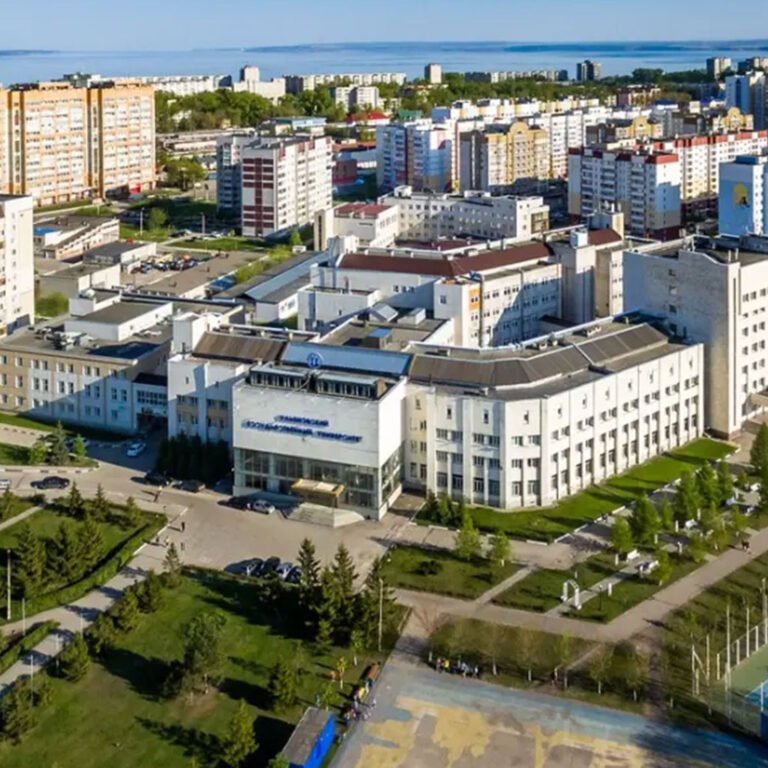
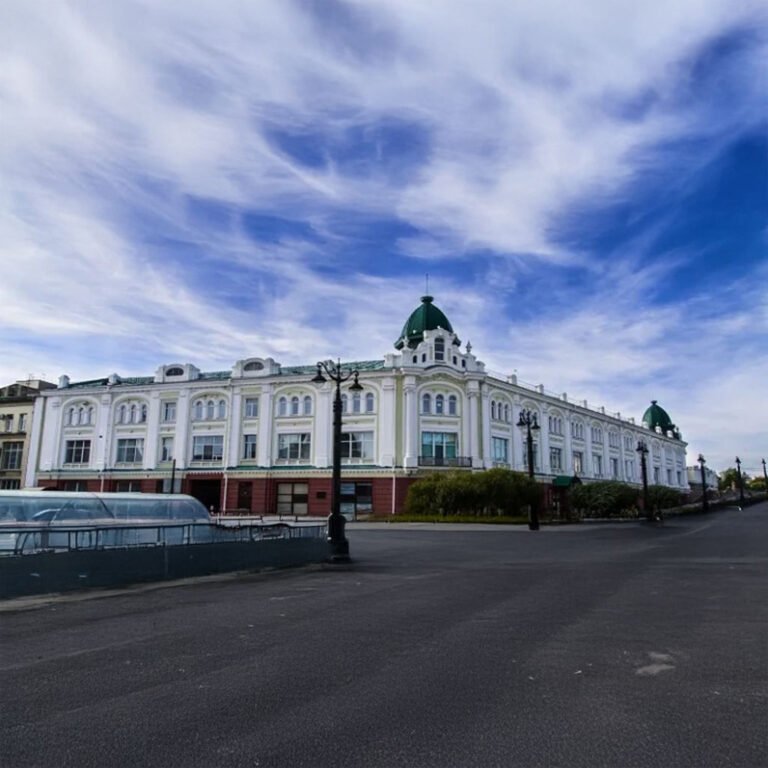
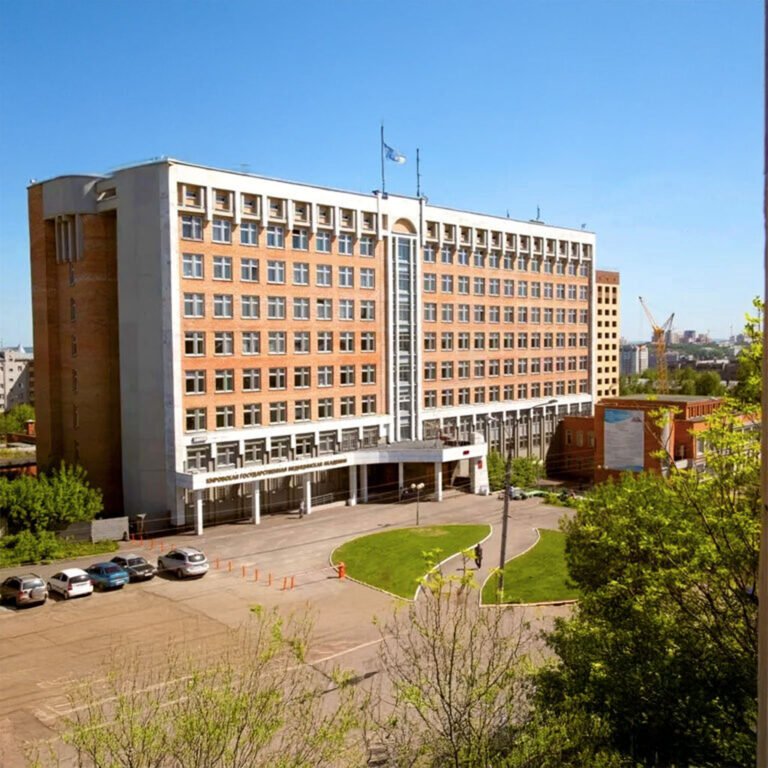
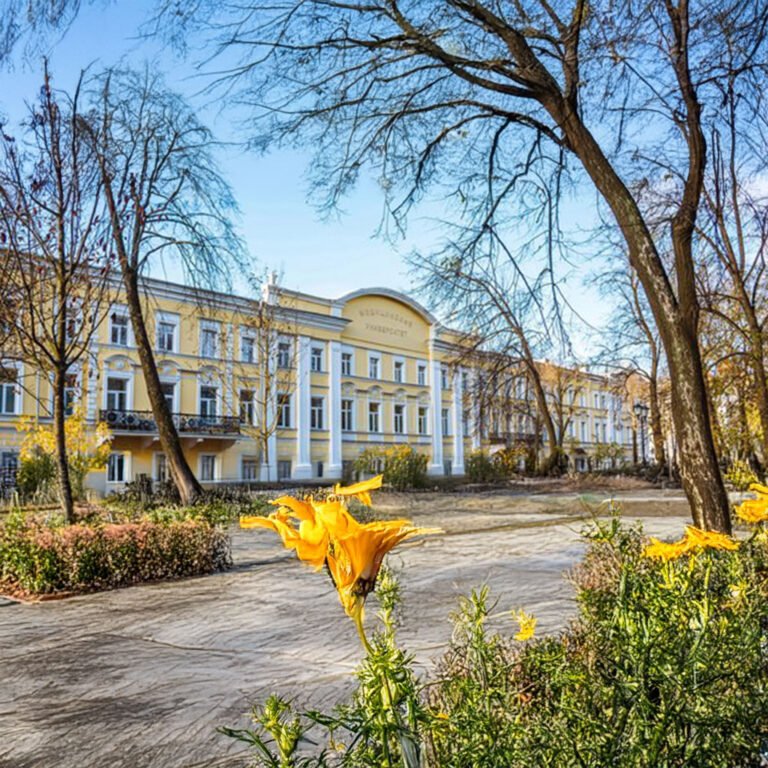
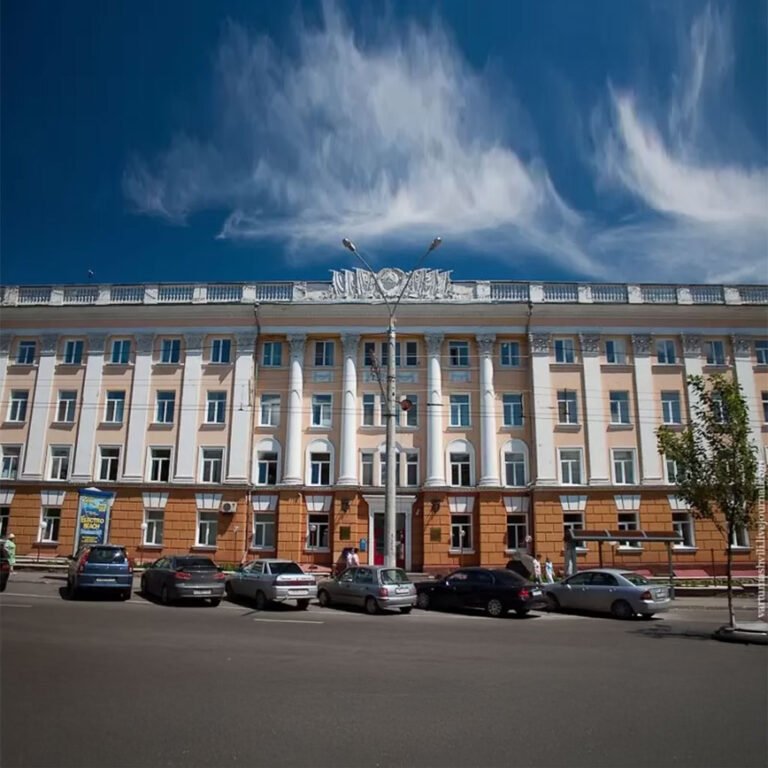
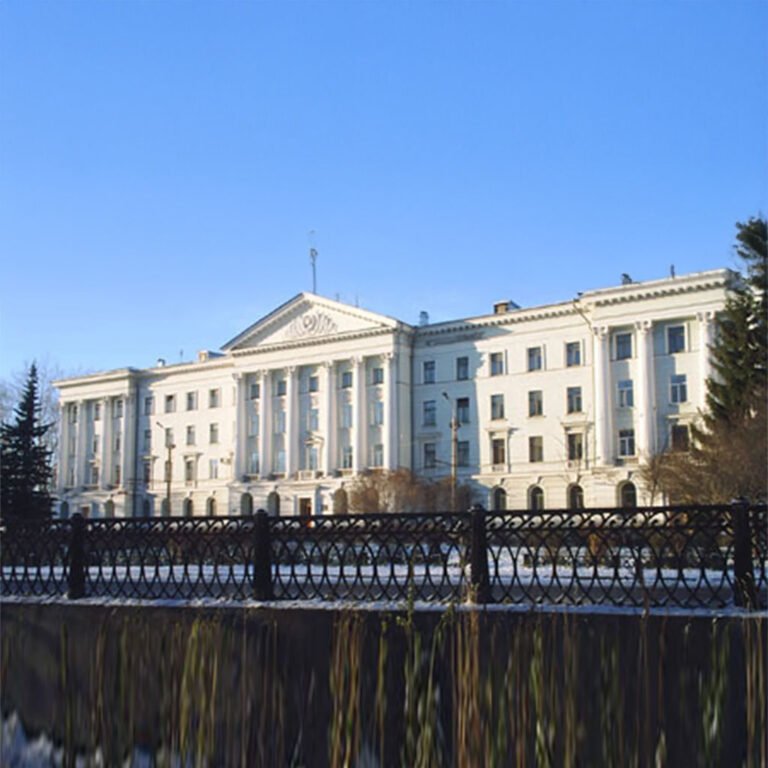
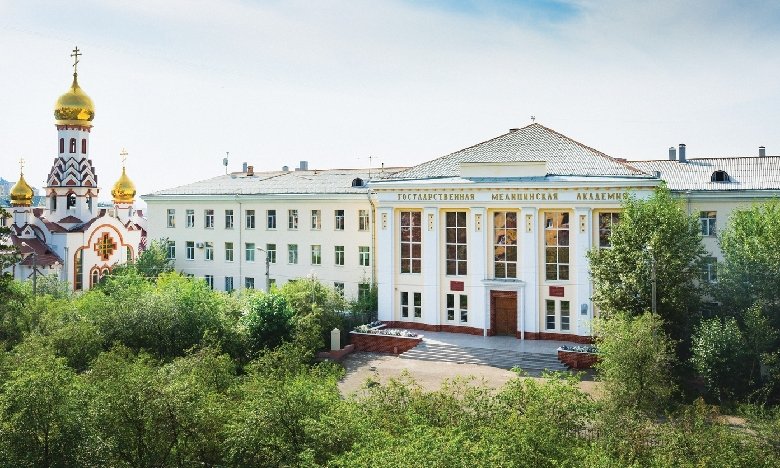
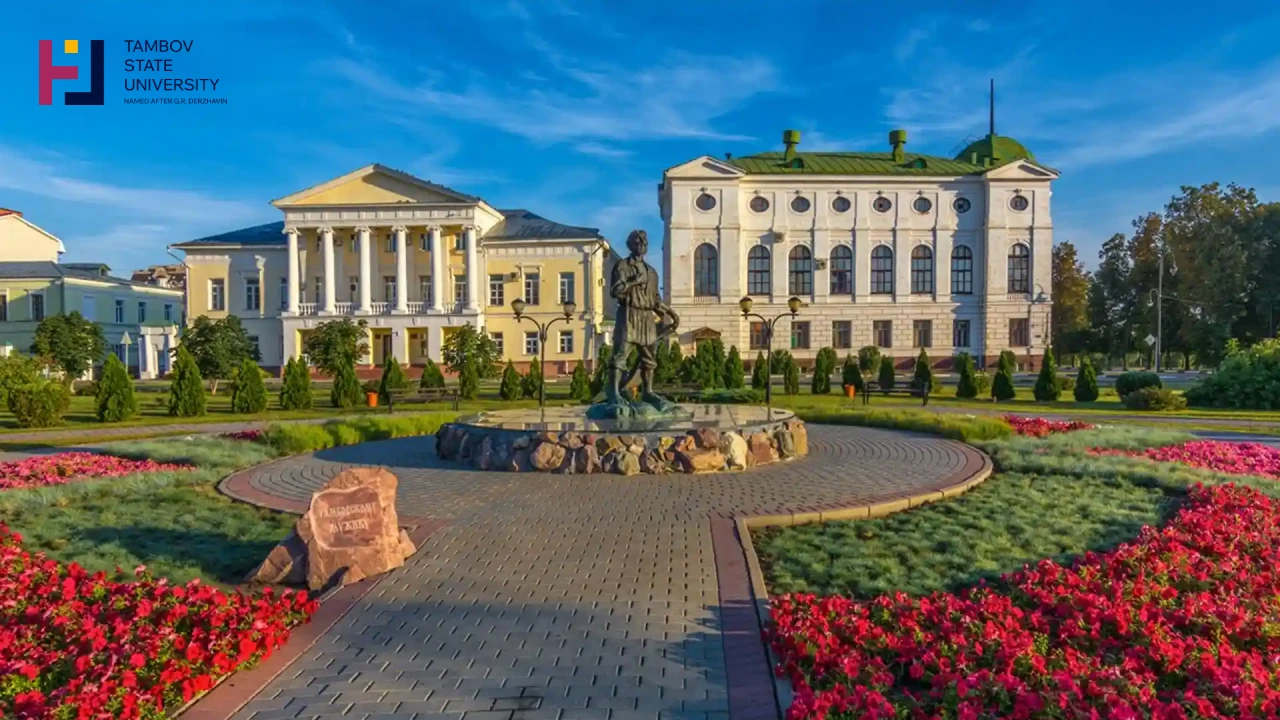
Rather than list every university in Russia, we work with a focused set of government universities we know well and would put our own students into, matched to each student’s NEET score and budget:
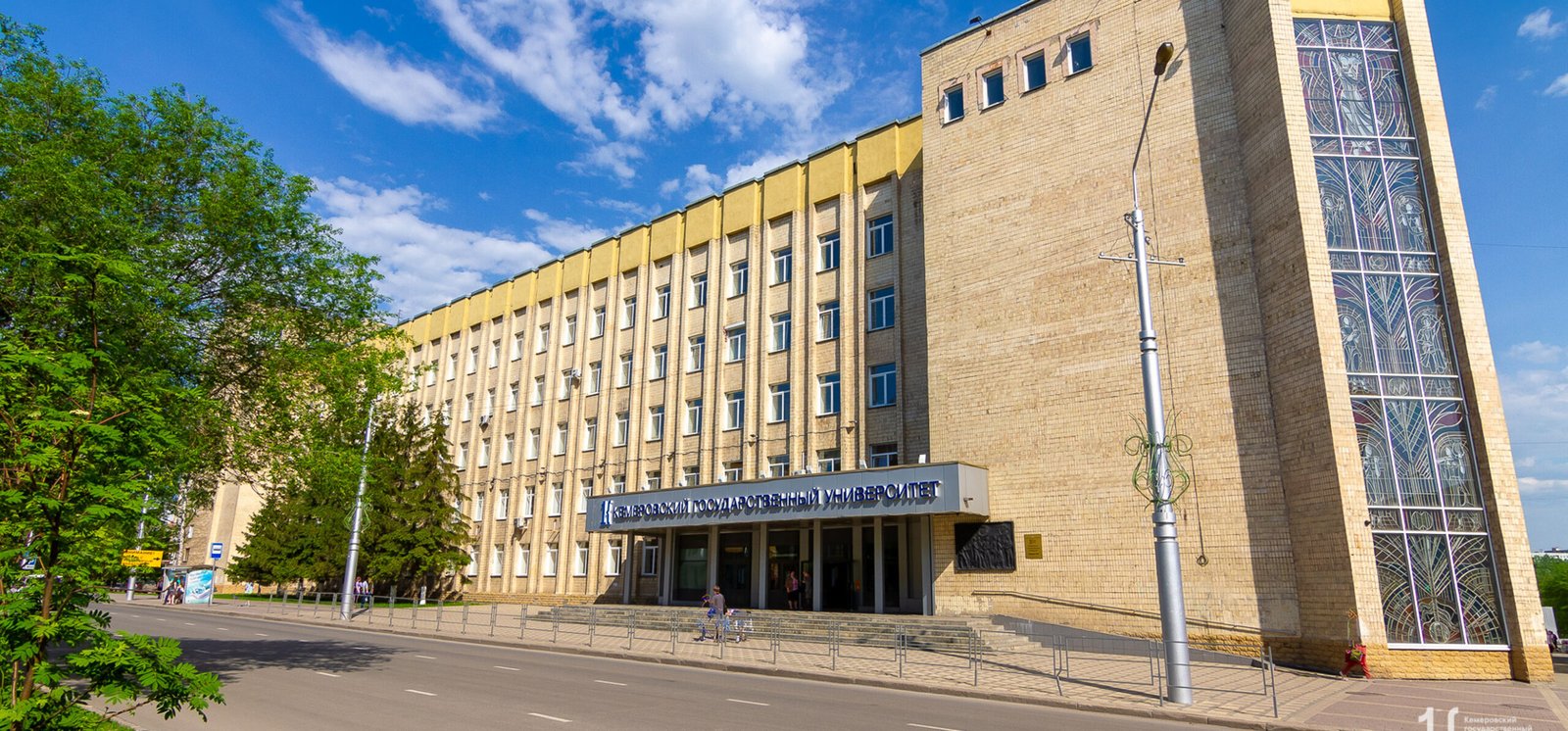
Swipe to see more universities →
The right one for you depends on your budget, the city, and the points above. We will recommend up to three options that genuinely fit, and explain the trade-offs of each.
Fees and the real cost of MBBS in Russia
The total cost of the six-year MBBS in Russia generally falls between ₹25 lakh and ₹40 lakh. Below is an indicative tuition and hostel guide for some of the universities we work with. Treat these as reference figures only — 2026 fees have risen at most universities and the rupee amount moves with the exchange rate, so the current, confirmed figure should always be taken from us directly before you plan.
| University | Tuition (₽ / year) | Hostel (₽ / year) | Approx. tuition (₹ / year) |
|---|---|---|---|
| Ulyanovsk State University | 352,000 | 80,000 | ~₹4.6 lakh |
| Omsk State Medical University | 370,000 | 20,000 | ~₹4.8 lakh |
| Kirov State Medical University | 360,000 | 90,000 | ~₹4.7 lakh |
| Yaroslavl State Medical University | 375,000 | 90,000 | ~₹4.9 lakh |
| Altai State Medical University | 380,000 | 90,000 | ~₹5.0 lakh |
| Northern State Medical University | 350,000 | 30,000 | ~₹4.6 lakh |
| Chita State Medical Academy | 320,000 | 120,000 | ~₹4.2 lakh |
| Tambov State Medical University | 410,000 | Included | ~₹5.4 lakh |
| Kemerovo State Medical University | 335,000 | 80,000 | ~₹4.4 lakh |
| Immanuel Kant Baltic Federal University | 347,500 | 20,000 | ~₹4.6 lakh |
| Kabardino-Balkarian State Medical University | 395,000 | 28,000 | ~₹5.2 lakh |
| Bashkir State Medical University | 405,000 | 45,000 | ~₹5.3 lakh |
| Privolzhsky Research Medical University | 460,000 | 120,000 | ~₹6.0 lakh |
| Tver State Medical University | 430,000 | 100,000 | ~₹5.6 lakh |
| Volgograd State Medical University | 505,000 | 105,000 | ~₹6.6 lakh |
| North Western State Medical University | 550,000 | 45,000 | ~₹7.2 lakh |
| Far Eastern Federal University | 500,000 | 80,000 | ~₹6.6 lakh |
| Kuban State Medical University | 500,000 | 18,000 | ~₹6.6 lakh |
| Ural State Medical University | 360,000 | 16,000 | ~₹4.7 lakh |
| Kazan State Medical University | 650,000 | 80,000 | ~₹8.5 lakh |
| Kazan Federal University | 653,400 | 25,000 | ~₹8.6 lakh |
| Samara State Medical University | 450,000 | 32,000 (6 yrs) | ~₹5.9 lakh |
| MEPHI Moscow Branch | 760,000 | 20,000 | ~₹10.0 lakh |
| MEPHI Obninsk Branch | 800,000 | 20,000 | ~₹10.5 lakh |
Approximate rupee figures are at about ₹1.31 per ruble and are paid each year at the actual exchange rate on the day.
What a realistic budget must include
Tuition and hostel are only part of the picture. When families underestimate the cost, it is almost always because they forgot the rest of it. A realistic all-in budget should account for:
- Tuition fees and hostel or accommodation
- Medical insurance and the annual medical check-up
- The visa extension, which is required every year
- First-year one-time costs — processing and service charges, flights, and initial setup
- Personal living expenses of about ₹12,000–15,000 per month
Over six years, personal living and yearly travel alone add up to roughly ₹8–10 lakh on top of the university fees. For the current, confirmed, per-university breakdown — with every cost laid out so nothing is hidden — message us on WhatsApp.
Life in Russia: safety, language and settling in
Is it safe?
This is a fair concern, and here is the honest picture. Inside Russia, the major education cities — especially those far from the western border, where the conflict is — carry on completely normally. Universities like Ulyanovsk, Yaroslavl and Omsk are thousands of kilometres away from any conflict zone, and student life there is as routine as in any large Indian city. As things stand, the Indian Embassy has not flagged security concerns for Indian students in Russia. On campus, hostels run 24/7 CCTV and security systems such as card-entry access. Choosing a university well away from the border is part of how we keep our students on the safe, sensible side.
The language reality
For Indian and international students, the MBBS is taught in English — lectures, practicals and exams. That said, you do need to learn Russian, and you should take it seriously from day one. It is needed during your clinical rotations when you are dealing with Russian-speaking patients, and honestly, day-to-day life becomes far easier and more enjoyable once you can speak the local language. In most universities Russian is a graded subject in the early years, so treat it as an asset for your clinical training, not a burden.
Eligibility to study MBBS in Russia
The criteria are set by the NMC and are straightforward.
| Criterion | General category | SC / ST / OBC |
|---|---|---|
| Class 12 (Physics, Chemistry, Biology) | 50% in PCB | 40% in PCB |
| NEET | Qualified (50th percentile) | Qualified (40th percentile) |
| Age | Minimum 17 years, no upper limit | Minimum 17 years, no upper limit |
NEET is compulsory for Indian students, and no IELTS or TOEFL is required for the English-medium course.
Documents required for admission
You will typically need the following to apply:
- Class 10 marksheet
- Class 12 marksheet and passing certificate
- Valid passport
- NEET scorecard
- Birth certificate
- Passport-size photographs with a white background
- A medical fitness report, including the tests required before visa stamping
The admission process, step by step
We manage the whole process end to end, from the first call to your first day on campus. Here is the clear five-step path, with realistic timelines.
Registration · 2–3 working days
Counselling, choosing the right university for your NEET score and budget, application forms and scanned documents.
Admission confirmation · 5–10 working days
Your admission or provisional admission letter is issued by the university and by EduParity.
Visa application · 7–14 working days
The visa invitation is applied for, and your original documents are submitted for apostille and legalisation.
Visa stamping · 10–15 working days
The invitation letter arrives and your visa is stamped on the passport.
Travel · group travel
You collect all your originals from the EduParity office, flights are booked to match the university’s arrival schedule, and students travel together as a group — no one flies alone.
A word on document safety
This matters, because document scams are real. Your original documents are submitted only for the official apostille and legalisation that every student needs, and they are then returned. You personally collect every original from our office before you fly. We never hold a student’s documents, and you should never hand your originals to any agent before you have received an admission letter. If anyone asks you to, walk away.
How EduParity helps
We are Russia specialists, and we handle the journey from start to finish so a family is not left guessing at any stage. Our admission service covers:
- Detailed, honest counselling
- University selection — up to three universities matched to your NEET score and real budget
- Application and forms, and entrance exam guidance
- A fully managed admission process and your admission letter
- Complete documentation, and visa processing (visa invitation, apostille and legalisation)
- Education loan assistance and foreign exchange (forex) assistance
- Scholarship assistance, where available
- Group flight and travel assistance, with a team member travelling alongside the students
- Travel assistance for the student’s family
- A student kit and study material
And once you reach Russia, the support continues:
- A pre-departure handbook on what to pack and what to expect
- An onboarding webinar and a student WhatsApp group
- First-year orientation on how Russian universities really run — attendance, semester exams and the common traps — plus hostel, mess food, money and language basics
- An on-ground team in Russia you can reach any time
No hidden charges and no false promises. If you want to know exactly what we do and what it costs, message us on WhatsApp at +91 88261 31593 and we will walk you through it.
Success stories from our students
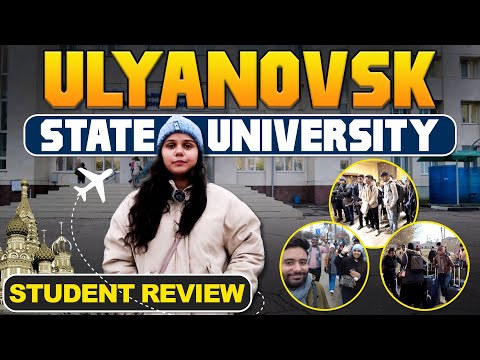
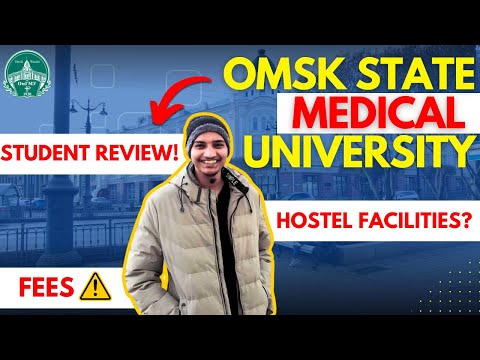
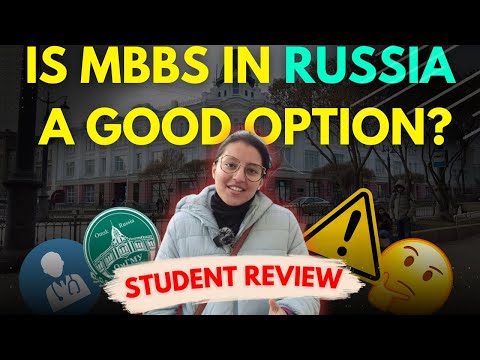
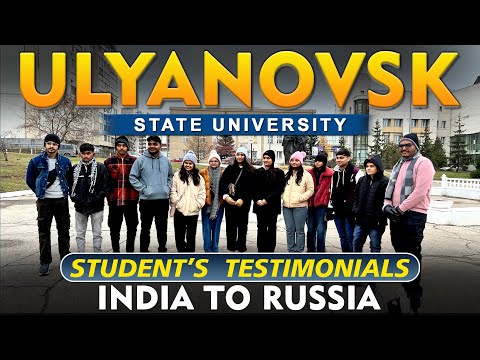
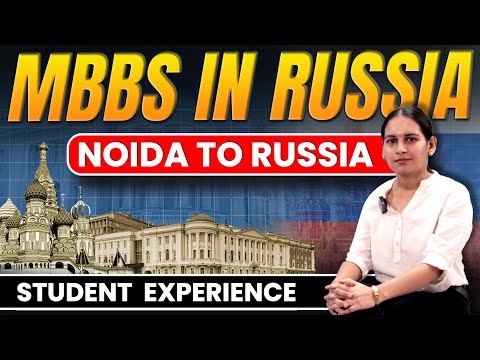
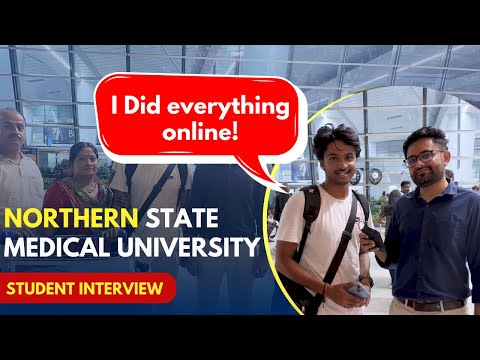
Real students, now studying medicine in Russia — in their own words. Tap a video to watch their experience.
Compass Mentorship: support that doesn’t stop at admission
Getting admitted is step one of becoming a doctor. Compass is our optional mentorship for a student’s first three pre-clinical years in Russia, led personally by Dr. Vivek. To be completely clear about what it is and is not: Compass is not FMGE coaching, and it is not a guaranteed pass. It is a personalised, year-by-year roadmap with feedback — direction and a study system so your effort goes in the right place from day one. Compass guides the rest of the journey, but the work always stays the student’s.
How it works
- Four live group sessions a year, every quarter, led by Dr. Vivek — a focused walkthrough of that quarter’s priorities followed by open Q&A.
- A private updates channel for tips, reminders and updates between sessions.
- Direct personal access to Dr. Vivek once enrolled — not a shared group or a ticket queue.
- A study-plan template plus curated resources, notes, and the books and apps that actually work.
- One year free on Synapse MCQ, Dr. Vivek’s FMGE MCQ-practice platform, which is currently in development — enrolled students get a free year once it launches.
The year-by-year focus, with steady study throughout
Year 1 — Find your feet
Adjust to the Russian teaching system and take the Russian language seriously from the start.
Year 2 — Build the routine
Time management and a sustainable self-study habit inside a packed class timetable.
Year 3 — Aim at FMGE
Map the whole exam, gather the right resources and finalise a preparation plan.
A good fit if you…
- Want a clear roadmap from day one
- Are serious about clearing the FMGE comfortably
- Value honest guidance over big promises
- Will put in consistent effort
Probably not for you if you…
- Want someone to do the work for you
- Expect a guaranteed pass
- Are disciplined enough to plan and stay on track entirely on your own
Who should not do MBBS in Russia
We would rather turn the wrong student away than enrol them, so here is who we honestly advise against. If your total budget is only around ₹1–2 lakh a year, MBBS in Russia is not realistic in 2026 — fees and living costs are simply higher than that, and starting a degree you cannot finish only sets a student up to run out of money halfway through. And, as above, if you can secure a government seat in India, take it instead. Russia is the right call when you have a genuine budget and a real reason to study abroad — not as a desperate last option.
Frequently asked questions
Is MBBS in Russia recognised by the NMC?
Yes, established Russian government medical universities are recognised by the NMC and listed in the World Directory of Medical Schools, provided the course meets the NMC’s 2021 criteria — a 54-month course, a 12-month internship, English medium, completed at the same university. This is one reason choosing a compliant university matters.
Can I practise in India after MBBS in Russia?
Yes. After your degree you clear India’s licensing exam — the FMGE at present, and the NExT in the coming years — after which you can register and practise in India, pursue PG, or work in other countries that recognise the degree.
Is NEET required for MBBS in Russia?
Yes, and it is non-negotiable for Indian students. Without a qualified NEET score you will not be eligible for the FMGE or NExT, and the degree will not let you practise in India.
Is MBBS in Russia safe right now?
Major education cities far from the western border operate completely normally, and the Indian Embassy has not flagged security concerns for Indian students. Hostels run 24/7 CCTV and card-entry security. Choosing a university well away from the border is part of a sensible decision.
Is the course taught in English? Do I need to learn Russian?
Lectures, practicals and exams are in English for international students. You will still learn Russian, which you need for clinical rotations and for daily life — treat it as an asset, not a burden.
How much does MBBS in Russia really cost?
The full six years generally cost between ₹25 lakh and ₹40 lakh, covering tuition, hostel, insurance, the annual visa extension, first-year one-time costs and personal living of about ₹12,000–15,000 a month. Contact us for the current, confirmed per-university breakdown.
How long is the MBBS course in Russia?
Six years — five years of study followed by a one-year internship.
Which Russian university has the highest FMGE pass rate?
The honest answer is that it does not work that way. The FMGE result comes down to whether a student prepares consistently, not the university. Choose a university for its learning environment and clinical exposure, and earn the exam through your own preparation.
Is MBBS in Russia better than a private seat in India?
If your alternative is an expensive private Indian seat, Russia usually costs less for the whole degree. And with the licensing exam set to become common to all graduates under NExT, paying far more simply to skip the screening test no longer makes sense. A government seat in India, however, is always the better option if you can get one.
Can I do PG after MBBS in Russia?
Yes. After clearing the licensing exam you can pursue postgraduate medicine in India or in other countries where the degree is recognised.
Will the NExT exam affect me?
The NMC plans to replace the FMGE and NEET-PG with a single National Exit Test for all graduates, Indian and foreign. Its rollout has been postponed more than once, so the FMGE is still the exam for now, with NExT expected in the coming years.
Do I need IELTS or TOEFL?
No. The English-medium MBBS in Russia does not require IELTS or TOEFL.
When does the intake start?
The main intake is in September each year, so it is best to begin the admission process early.
How do I avoid getting scammed by an agent?
Never hand over your original documents before you have an admission letter, never deposit university fees into an agent’s personal account, and be wary of anyone promising a guaranteed FMGE pass or “no NEET” admissions. Work only with a consultant who is transparent about costs and the process.
Talk to someone who has actually done it
If MBBS in Russia is right for you, we will help you choose the right university and get you through the whole journey — not just the visa. And if it is not right for you, we will tell you that too. For an honest assessment based on your NEET score and budget, message us on WhatsApp.
Prefer we call you? Leave your details
Drop your details and the team will get back to you with the same honest assessment — and if Russia isn’t right for you, we’ll tell you that too.